

A cat flap allows you to give your pet more freedom while avoiding the burden of letting them out and in. It can also help your pet feel less stressed and prevent them from entering the house when they are not wanted.
To put up a cat flap to install a cat flap, measure the distance from the bottom of the cat's stomach to the floor. Mark a line along the door's frame. Utilize a spirit-level to ensure that the line is straight.
1. The type of door
It is best to consult a professional if you want to install a cat flap on the form of a uPVC or double glazing glass sealed unit. They can provide the uPVC or glass panel with a hole already cut. This will help you save time and money, and make sure that the work is done correctly.
The most basic cat flap is a simple two-way swinging gate that allows your pet to come or go as they like. These are the cheapest and most easily fitted doors. They don't seal well and can let drafts of cold or warm air in during the summer.
Another popular option is microchip cat flaps that recognises your pet's unique microchip number and opens the flap for them to use. This stops other pets and stray animals from using the flap, and ensures your pet's safety inside your home.
There are also locking cat flaps that permit you to lock the door for exit and entry. This gives you more control over when your pet can leave and when it comes back which is useful if you have young children around.
The most important factor in choosing a cat flap is the size of your pet. cat flap fitters www.repairmywindowsanddoors.co.uk will determine the size of a hole needs to be made in your door or wall. It's important to take the time to measure your dog's measurements and then choose the right door.
You should also consider whether you would prefer an infrared or magnetic flap when selecting the flap. Magnetic and infrared cat flaps tend to be more expensive, but they offer greater security.
A good handyperson has a lot of experience fitting cat flaps. They can provide advice on the best choice for your home. They'll be able navigate the maze of different kinds of doors and walls, and will ensure that your cat flap is fitted correctly to keep your pet safe and secure.
2. The type of flap
If you're planning to put a cat flap inside your uPVC door it is essential to choose the right one. This will depend on the type of pet you own, and how you plan to utilize the flap. For instance, you may choose to buy a lockable model that can be locked from the inside of the home. This will prevent others from gaining access to your home, while keeping your pet secure and safe.
You'll also want to think about the shape of the flap. The modern flaps are usually square or rectangular. Older ones were more circular. It's crucial to gauge the height of your cat to locate a place on your door that's comfortable for them to walk through and exit.
Once you've picked an opening and taken measurements of your door, it's time to start the installation process. Remove any decorative elements from the surface of your uPVC panel door and ensure that it is flat. Once you've completed this you can begin the cutting. If your pet flap comes with a template to follow be sure to follow exactly as it says.
Then, cut carefully along the line. Be careful not to accidentally cut through any mullions or vertical rails. Repeat the procedure after the jigsaw is complete. Continue this process until you've created the hole sufficient that your pet can fit through.
Some pet flaps have a lock that can be used to secure the flap. This is especially helpful for those who have an outdoor or indoor cat that doesn't like to leave the house or is scared of strangers. You can also utilize this feature to stop your cat from running away during the night, or when you're away for long periods of time.
It is possible to install a cat flap on a composite or uPVC however the procedure may be a bit more difficult than putting one in a wooden door. This is because composite doors are several different materials, and making modifications to them may void their warranty or break the weathertight seal. It is recommended to consult an expert joiner before you begin if you plan to do this yourself.
3. The material
The cost of installing a pet flap can vary depending on the material of your door. It is because some materials are more difficult to cut and require more attention to install. This is particularly applicable to uPVC and composite doors that require care to ensure the integrity of the door.
Make sure you have the tools you require prior to starting the installation. These should include the flap for your cat along with a tape measure, a decent pencil along with a spirit level, and a drill. Also, you should adhere to the instructions given by the manufacturer of your pet flap carefully. If your pet flap is made of glass, it is essential to find a glazier that has experience working on this kind of work.
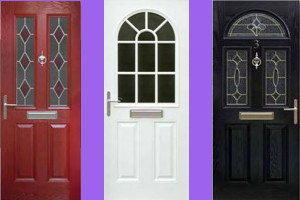
In the beginning, you'll need to decide on where to place the cat flap in the doorway. Ideally, it should be close to the height at which your cat is normally. It is also important to take into consideration the thickness and size of your door. Doors that are thicker will be more difficult to cut and are more difficult to install. It is less costly and easier to install a cat flap after a new door is built.
Make a sketch of the cat flap with pencil once you've found the best position. If your cat flap came with an outline, you can use it to mark the shape. If not, you will have to draw the design onto the paper by yourself. Make sure the shape is square, and not an elliptical one. If your cat flap is circular, you will also have to mark the holes around it. These are typically at 12 o’clock 3 o'clock, and 6 at o'clock.
After marking the marks on the paper, remove the flap and mark the holes with a Jigsaw. You should also drill the screws into the door to make sure they are secure. Apply the sealant along the edges of the flap, and any holes in the doors if needed.
4. The installation method
Getting a cat flap fitted inside your door panel is not just a good idea to ensure the safety of your pet, but it can also be a great way to reduce energy costs. You can save money throughout the year by preventing drafts from entering your home. Before you start it is crucial to know how the installation process works and the elements that influence the cost.
The first step during the installation process is to choose the right type of flap for your home. There are a variety of flaps that are available, from basic manual models to advanced microchip and app-controlled versions. But be sure to weigh the advantages and disadvantages of each and select the one that is essential for your cat. Consult a professional for advice when you're unsure of what to purchase. A professional can give you an insight into the door's construction and cat's behavior and help you decide the right one for your home.
Once you've selected the type of flap that's suitable for your home the next step is to determine the best way to install it. Based on the kind of cat flap, the instructions should include a diagram which shows you how to make the hole you'll need to cut in your door. To avoid mistakes, be sure to measure your door's width and height, and draw the design accurately on paper. If your cat flap is square, make sure it's square, not oval.
It is essential to choose an experienced and reliable contractor for the installation of your cat flap. This will ensure that the job is done right. It's worth paying a little more to ensure that the job is completed properly. An improperly installed pet door can pose security risks and could even damage your door. HaMuch is a great resource to request quotes from local contractors if you're not confident installing the flap. We'll connect you with professionals who can put up your cat flap quickly and easily.